Establishment of BRD
BRD was established on 5 August 1967 to address Rwanda's shortage of long-term financing for development projects and to mobilize capital for growth, industrialization and job creation.


BRD is Rwanda's development finance institution, providing affordable loans and guarantees to projects and sectors that create lasting economic and social impact.
Established
Decades of development finance
Priority sectors
From agriculture to digital economy
Strategic plan
Board-approved roadmap
Institutional role
Mobilising long-term capital
Who we are
BRD champions Rwanda's transformation by providing affordable, long-term and tailored financing to the sectors that matter most.

Our mandate
To champion Rwanda's transformation by providing affordable, long-term and tailored financing to the sectors that matter most.
We continuously improve credit and risk management, financial performance and customer service.
We build partnerships that help us deliver our development mandate and create greater impact.
We grow our knowledge and skills to build a competent, capable and future-ready team.
History
Established on 5 August 1967, BRD has evolved from a traditional lender into Rwanda's national development finance institution and a strategic catalyst for socio-economic transformation.
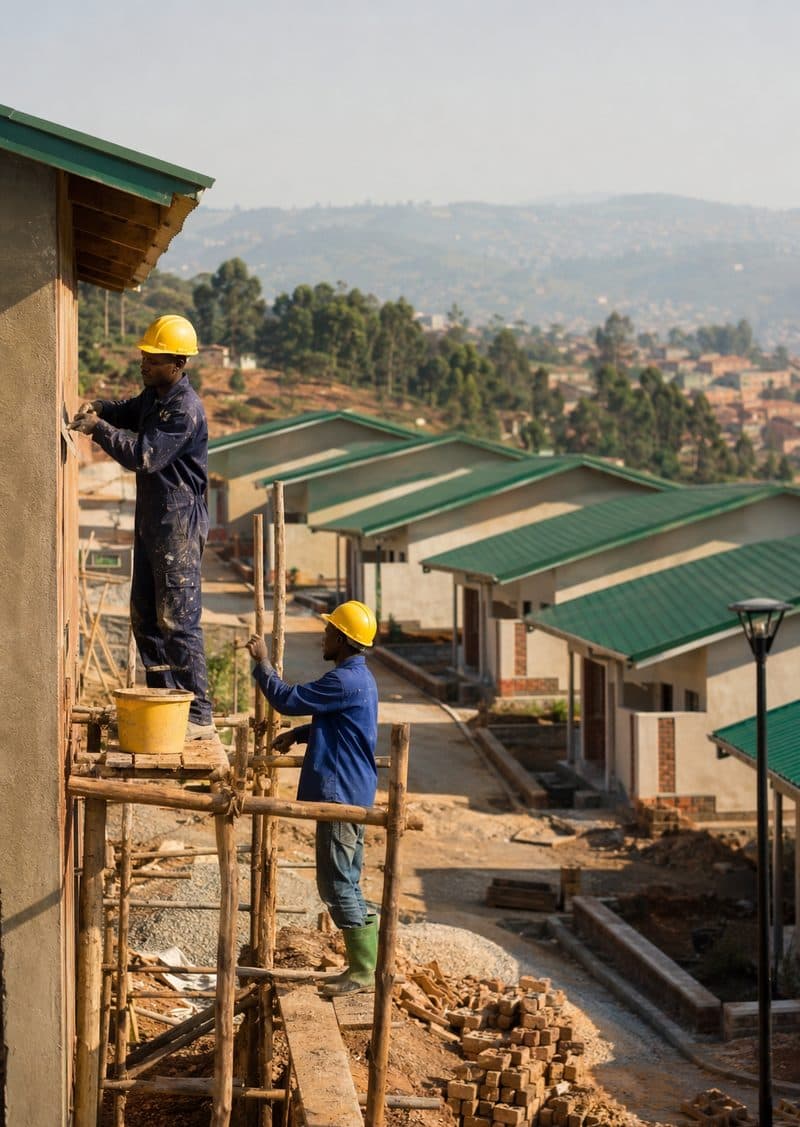
Since its founding, BRD has evolved into a national development platform. The integration of the Business Development Fund (BDF) strengthened the bank's ability to reach smaller enterprises with blended finance and business advisory support, connecting Rwanda's entrepreneurs to the capital they need to grow.
Explore the full timelineBRD was established on 5 August 1967 to address Rwanda's shortage of long-term financing for development projects and to mobilize capital for growth, industrialization and job creation.
BRD financed agriculture, transport, small industries and rural enterprises. It extended RWF 6.6 billion across 501 operations and helped create 8,400 jobs.
The portfolio expanded into agro-processing, tea, manufacturing, artisans and micro-enterprises, generating RWF 15.7 billion in investment and 9,094 jobs.
After the 1994 Genocide against the Tutsi, BRD restructured, rebuilt its operating capacity and supported the recovery of businesses, infrastructure and productive sectors.
BRD strengthened rural and export finance and introduced a standalone Microfinance Department in 2002 and a Leasing Unit in 2007.
BRD combined BAS and BDF into the Business Development Fund and acquired Banque de l'Habitat du Rwanda, expanding long-term, housing and mortgage-refinancing capacity.
BRD transferred its commercial banking arm and refocused on development lending to priority sectors, communities and SMEs, with measurable development impact.
The Bank expanded across agriculture, energy, housing, manufacturing, exports, education, digital economy and social infrastructure, while introducing guarantees, green and blended finance.
The Government integrated the Business Development Fund into BRD to combine nationwide MSME support with BRD's financing and sector-development capabilities.
BRD aims to grow its funding base from FRW 794 billion to FRW 1.3 trillion by 2028 while scaling resource mobilization, ESG, gender inclusion, data-led execution and impact tracking.
Vision & mission
To be an innovative and sustainable provider of long-term development finance for socio-economic impact.

We go the extra mile.
We solve it differently.
We continuously learn, unlearn and relearn.
We always aim to do what is right.
We are decisive and responsible.
A trusted strategic partner for Rwanda’s development that offers financial solutions for enhanced value to our stakeholders.
Governance
BRD's governance framework provides oversight, accountability and risk discipline for a bank whose work must serve Rwanda's long-term development goals.
Board of Directors
Managing Partner at Kupanda Capital and former Vice President of Infrastructure, Private Sector and Regional Integration at the African Development Bank. He holds a Master's degree in Economics from the University of Chicago.
Vice President, Legal and Compliance at Ampersand Energy, with 14 years of experience in energy, infrastructure, project finance and e-mobility. She previously served at Ruzizi III Energy, Rwanda Energy Group and Rwanda Airports Company.
Managing Director of RWASHOSCCO Ltd, leading the marketing, roasting and export of Rwanda's specialty coffee. She formerly chaired the International Women's Coffee Alliance Rwanda Chapter.
Vice President, Monitoring, Evidence and Learning at Village Enterprise, with more than 15 years in strategy, analytics and evidence-based decision-making. He holds degrees in Statistics and Actuarial Science.
Chief Executive Officer of Rwanda Printery Company. He holds a Doctor of Business Administration and has held executive and board positions in Rwanda's public and private sectors.
SME Banking Expert at IPC, Chairman of ML Corporate Services and Founder of Orgmatt Advisors. He brings more than 30 years of experience in banking, SME finance, strategy, governance and business advisory.
Director, IXP Development at the Internet Society, leading global work on internet exchange points and digital infrastructure. He previously led GVA Rwanda, Revolution'Air and RICTA.
Executive Management

Joined BRD as Chief Executive Officer in December 2025 after serving on its Board since 2020. She brings more than 15 years in public finance, sovereign debt and development finance.

Joined BRD in August 2025 with more than a decade of finance, audit, accounting and corporate leadership experience. He oversees financial strategy, reporting, financial risk, planning and internal controls.

Joined BRD in 2011 and became Chief Risk Officer in 2021. She designed and implemented the Bank's credit and enterprise risk frameworks.
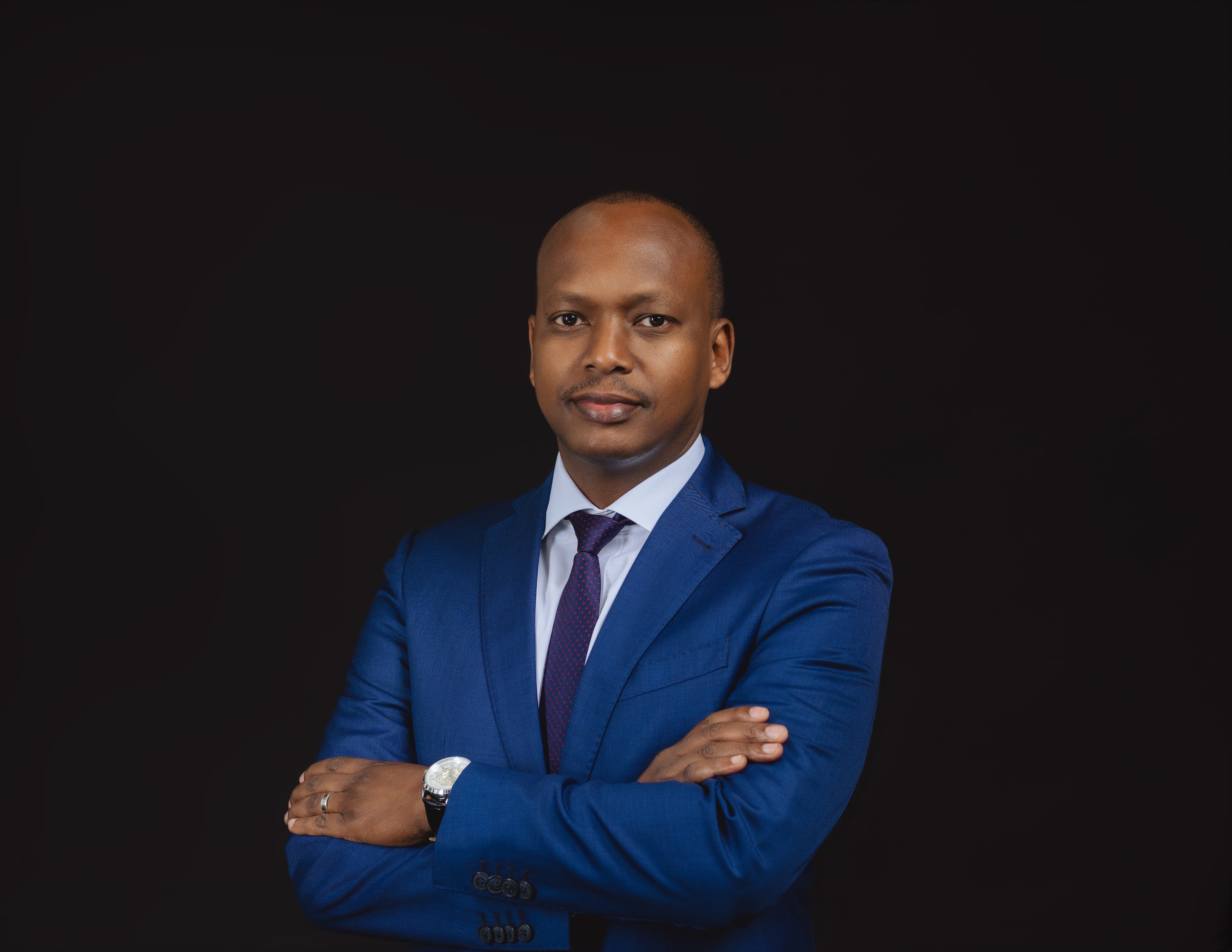
Leads corporate strategy, resource mobilization, monitoring and evaluation, research, analytics and institutional partnerships.

Advises the Board and Executive Management on governance, banking law and regulatory compliance, with more than 16 years of legal experience.

Leads BRD's technology strategy, enterprise architecture, cybersecurity and digital lending platforms.
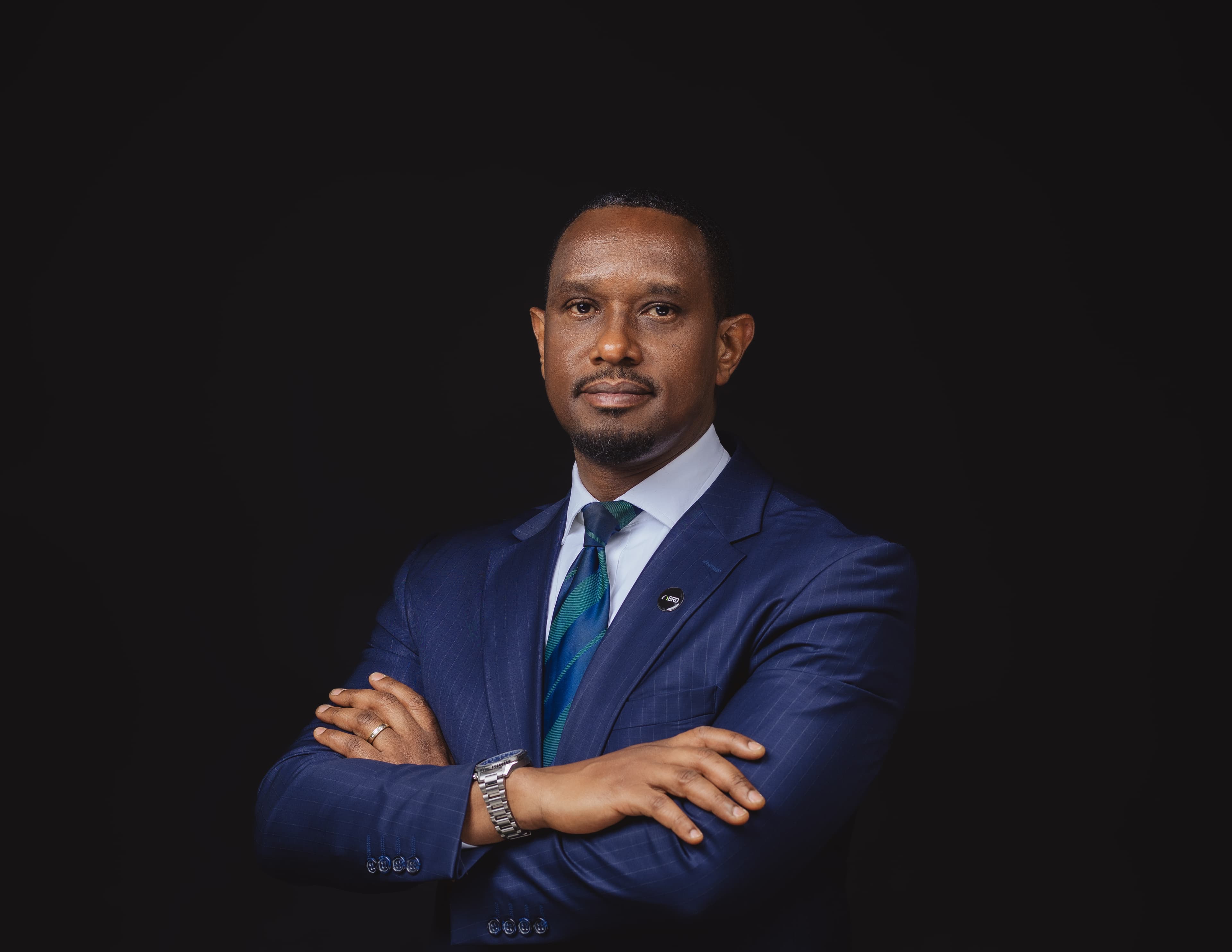
Leads investment strategy, product development, equity appraisal and advisory services across priority sectors.
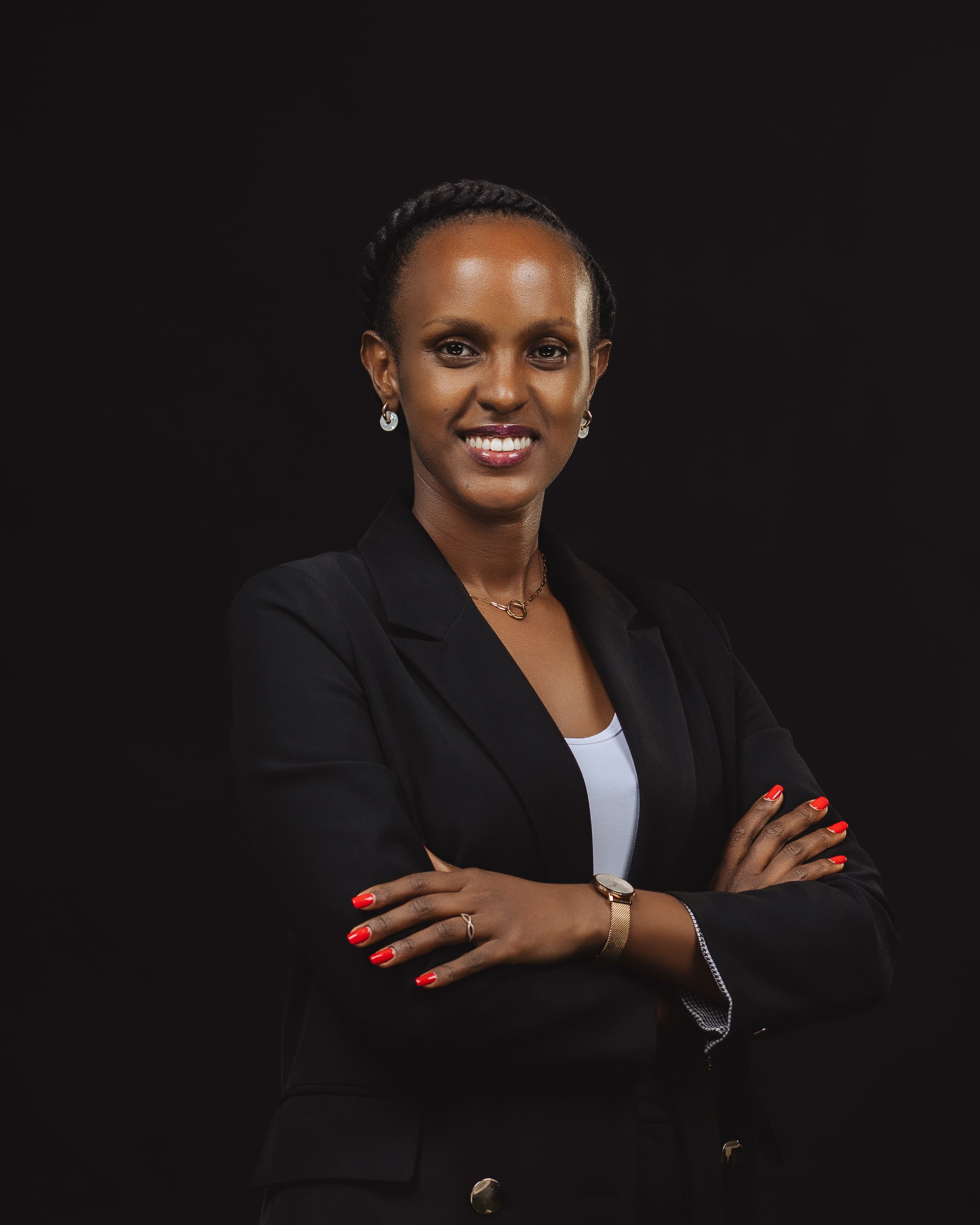
Leads guarantee solutions that de-risk lending and expand access to finance, including the Export Credit Guarantee Facility.

Leads people strategy, organizational transformation, talent, performance, culture and corporate services.
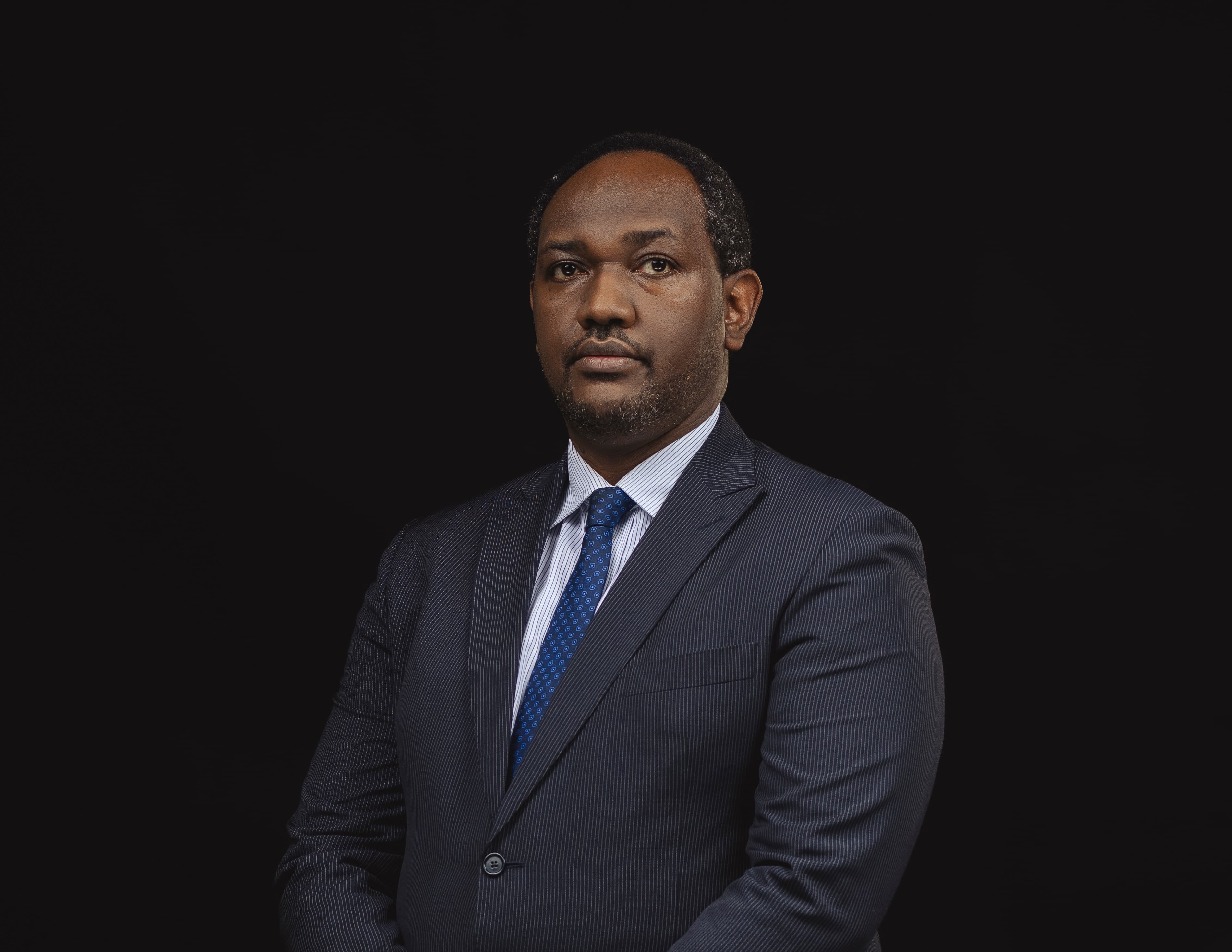
Leads credit policy, portfolio limits, analysis, disbursement, monitoring, recovery and credit operations.

Provides strategic and financial oversight for development-partner programmes exceeding US$500 million.
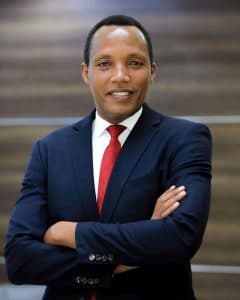
Leads administration of Rwanda's higher-education financing scheme with national education partners.
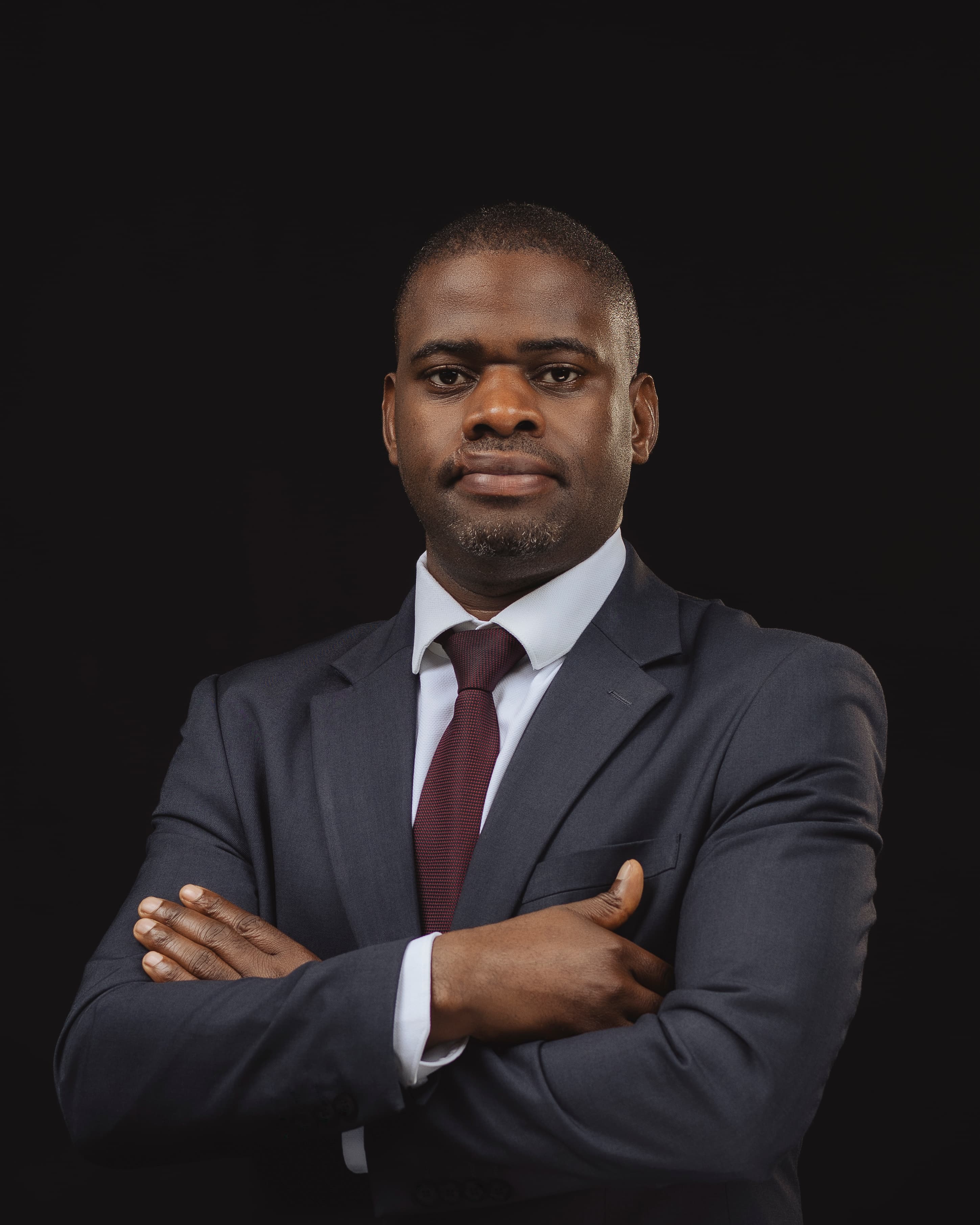
Leads internal audit and advises the Board, Audit Committee and Executive Management on governance, risk and controls.
Strategic plan
BRD's 2024–2028 Strategic Plan, approved by the Board on 10 November 2023, sets the operating direction for growth, resilience, scale, innovation and measurable national impact.

High-impact initiatives, structuring large projects, syndication and advisory services that reshape sectors.

First-loss cover for green projects, carbon credit trading and weather insurance for climate-smart growth.

On-lending through PFIs and SACCOs to widen footprint and reach MSMEs across Rwanda.

Data-driven products, fintech partnerships and support for startups and incubators.
2028 targets
Balance sheet by 2028
Off-farm jobs created
Green portfolio
Sustainability is central to BRD's mandate and strategy. Environmental, social and governance considerations are embedded across the lending cycle to advance responsible finance, inclusive growth, resilience and lasting development impact.
Work with BRD
Whether you are an entrepreneur, investor, or development partner, BRD offers the financing instruments and strategic programs to turn ambition into impact.
Quick access
Ask for guidance or reach BRD directly.